I first saw the word “anemic” in a group chat where someone said, “i feel so tired lately, doctor said i’m anemic.” At first, I thought it was just another online slang word or texting shorthand.
But when more people started talking about iron, blood tests, and low energy, I realized it was a real health term — not social media slang.
If you’ve seen this word in messages, comments, or health posts and wondered what it really means, you’re in the right place. Let’s break it down in super simple words so it’s easy to understand.
Quick Answer:
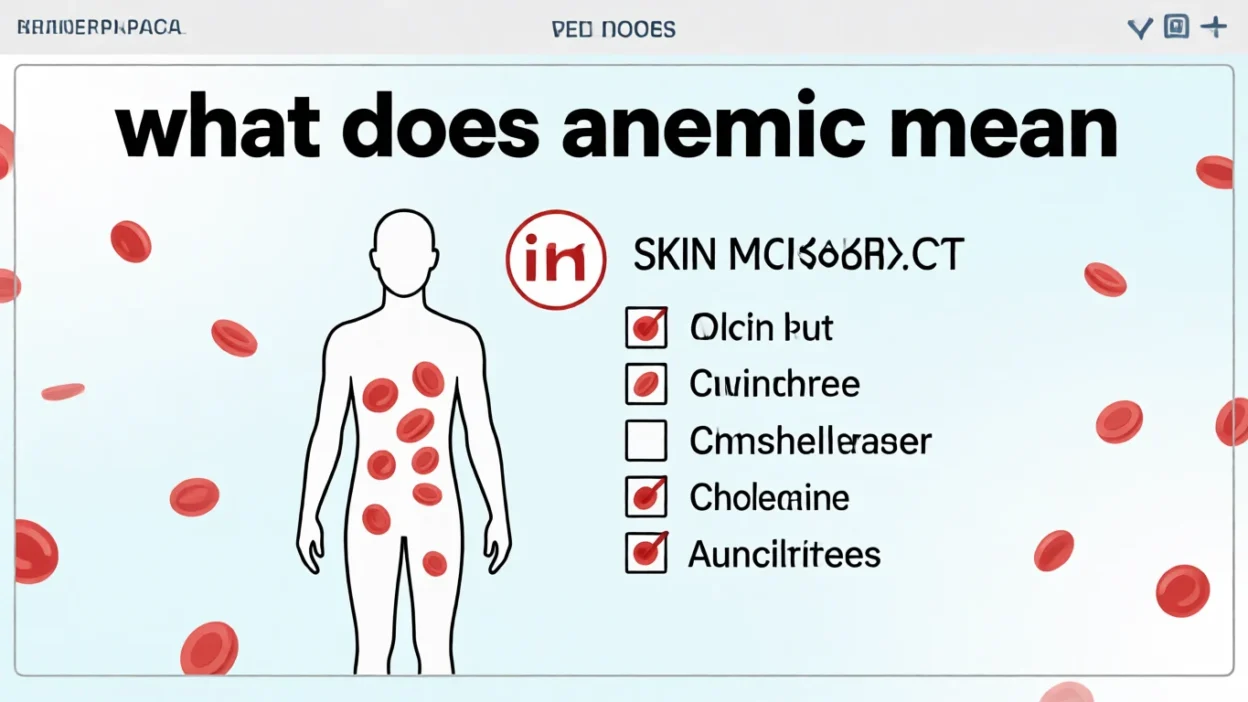
Anemic means a person has too few healthy red blood cells or low hemoglobin, so their body doesn’t get enough oxygen.
What Does Anemic Mean? Full Meaning in Plain English
The word anemic comes from anemia, which is a medical condition. It is not a texting abbreviation or chat shorthand. It’s a health term doctors use.
When someone is anemic, it means their blood cannot carry enough oxygen around the body. This usually happens when:
- Red blood cells are low
- Hemoglobin is low
- Iron levels are low
Hemoglobin is the part of red blood cells that carries oxygen. Oxygen is the fuel your body needs for energy.
Plain-English version:
Your body is running low on oxygen delivery, so you feel tired and weak.
Example sentence:
“She felt dizzy and tired, and her blood test showed she was anemic.”
Bold one-line summary:
Anemic means your blood has low oxygen-carrying power, often due to low iron or low red blood cells.
Why People Use the Word Anemic in Conversations
In online chat meaning and everyday talk, people use anemic in two main ways.
Medical Meaning (Most Common)
This is the real meaning — talking about health.
People use it when discussing:
- Blood test results
- Iron levels
- Fatigue problems
- Doctor visits
- Nutrition issues
Example:
“my doctor says i’m anemic so i need more iron.”
Figurative Meaning (Less Common)
Sometimes people use anemic in a non-medical way to mean weak, low, or lacking strength.
Example:
“that team had an anemic performance.”
This use is more formal and appears in writing more than texting culture.
Common Signs People Mention When Talking About Being Anemic
When discussing what does anemic mean, many people want to know the common signs. Not everyone has all of these, but these are often mentioned:
- Feeling tired all the time
- Pale skin
- Feeling weak
- Shortness of breath
- Dizziness
- Cold hands and feet
- Fast heartbeat
- Headaches
These signs show up often in social posts and health forums when people talk about anemia.
Important note: Only a blood test can confirm anemia.
Main Causes People Mention Online
In health discussions and forums, you’ll often see these causes linked with being anemic:
Low Iron Intake
Not eating enough iron-rich foods.
Blood Loss
Heavy periods or internal bleeding.
Vitamin Deficiency
Low vitamin B12 or folate.
Health Conditions
Some diseases affect red blood cell production.
This is why people often connect anemic with diet and supplements in online conversations.
Where the Word Anemic Is Commonly Used Online
Unlike social media slang or texting abbreviations, anemic is a formal health word — but it still appears often in digital conversations.
You’ll see it in:
- Health blogs
- Doctor Q&A sites
- Reddit health threads
- Nutrition forums
- Fitness communities
- Social media health posts
- Comment sections under symptom videos
Tone: Usually neutral and medical, sometimes casual when used in chat.
Examples of tone:
- Casual: “i’m anemic again lol so tired”
- Neutral: “she tested anemic last month”
- Formal: “the patient is clinically anemic”
Realistic Chat Examples Using Anemic
Here are natural, modern, lowercase chat-style examples that reflect real informal chat and texting culture:
- “turns out i’m anemic that explains a lot”
- “doctor says my iron is low — anemic”
- “i feel tired all day maybe i’m anemic”
- “been anemic since high school”
- “iron pills helping my anemic symptoms”
- “are you still anemic or better now?”
- “i get dizzy bc i’m anemic”
- “my labs came back anemic again”
- “trying to fix my anemic diet”
When to Use and When Not to Use the Word Anemic
Because this is a medical term, using it correctly matters — especially in online chat and comments.
✅ Do Use Anemic When
- Talking about real health diagnosis
- Sharing blood test results
- Discussing iron deficiency
- Talking in health forums
- Explaining fatigue causes
- Referring to medical anemia
❌ Don’t Use Anemic When
- Guessing someone’s health
- Using it as an insult
- Joking about illness
- Self-diagnosing without tests
- Replacing words like “tired” casually
Context Comparison Table
| Context | Example Phrase | Why It Works / Doesn’t |
|---|---|---|
| doctor result | “i’m anemic” | works — confirmed |
| health forum | “could this be anemia?” | works — asking |
| random guess | “you look anemic” | doesn’t work — unsafe |
| joke insult | “that’s anemic effort” | risky — negative tone |
Similar Words and Alternatives to Anemic
People often confuse anemic with other words in online chat meaning and casual posts. Here’s how they differ.
| Word | Meaning | When To Use |
|---|---|---|
| anemia | the condition | medical term |
| iron deficient | low iron | lab result talk |
| low hemoglobin | blood measure | clinical context |
| fatigued | very tired | general talk |
| weak | low strength | casual use |
| run down | low energy | informal chat |
| pale | light skin tone | description only |
Key difference:
Tired ≠ anemic.
Only tests confirm anemia.
Anemic vs Just Tired: Quick Difference
People in texting culture often mix these up.
Just tired:
- Didn’t sleep enough
- Stress
- Busy day
Anemic:
- Ongoing fatigue
- Blood oxygen issue
- Medical cause
Example:
Tired: “i slept 4 hours”
Anemic: “my blood test shows low iron”
FAQ: What Does Anemic Mean
1. What does anemic mean in simple words?
It means your blood has low oxygen-carrying ability, usually due to low iron or low red blood cells.
2. Is anemic a slang or texting abbreviation?
No. It’s a medical word, not social media slang or chat shorthand.
3. Can you tell if someone is anemic by looking?
Not for sure. Some signs like pale skin show up, but only a blood test confirms it.
4. Is being anemic serious?
It can be — especially if untreated. Many cases are mild and treatable with diet or supplements.
5. Who commonly becomes anemic?
It’s more common in:
- People with low iron diets
- Those with heavy periods
- Pregnant women
- Some chronic illness patients
6. Can anemia be fixed?
Often yes. Many cases improve with iron, vitamins, or treating the cause.
7. Why do people mention anemia so much online?
Because fatigue is common, and many people discover anemia through routine blood tests and share their experience.
Final Thought
Now you clearly understand what does anemic mean. It’s a medical term that describes a condition where the blood cannot carry enough oxygen — often due to low iron or low red blood cells.
While it shows up often in online chat, comments, and health posts, it is not texting slang or social media shorthand. It should be used carefully and correctly.
If symptoms like long-term fatigue or dizziness show up, testing matters more than guessing. In today’s digital world, clear understanding helps avoid confusion and panic — and leads to smarter health choices.