The first time you notice “OEM”, it usually pops up unexpectedly. Maybe you’re shopping online for a phone charger, scrolling through car parts, or reading a tech comment thread where someone says, “get the oem version, not the cheap one.”
You pause and think, wait… what does oem stand for? Is it a brand? A quality level? Some kind of tech slang?
You’re not alone. OEM is one of those terms that shows up in everyday online conversations, product listings, and chats—but rarely gets explained clearly. Let’s break it down in a simple, friendly way that actually makes sense.
Quick Answer:
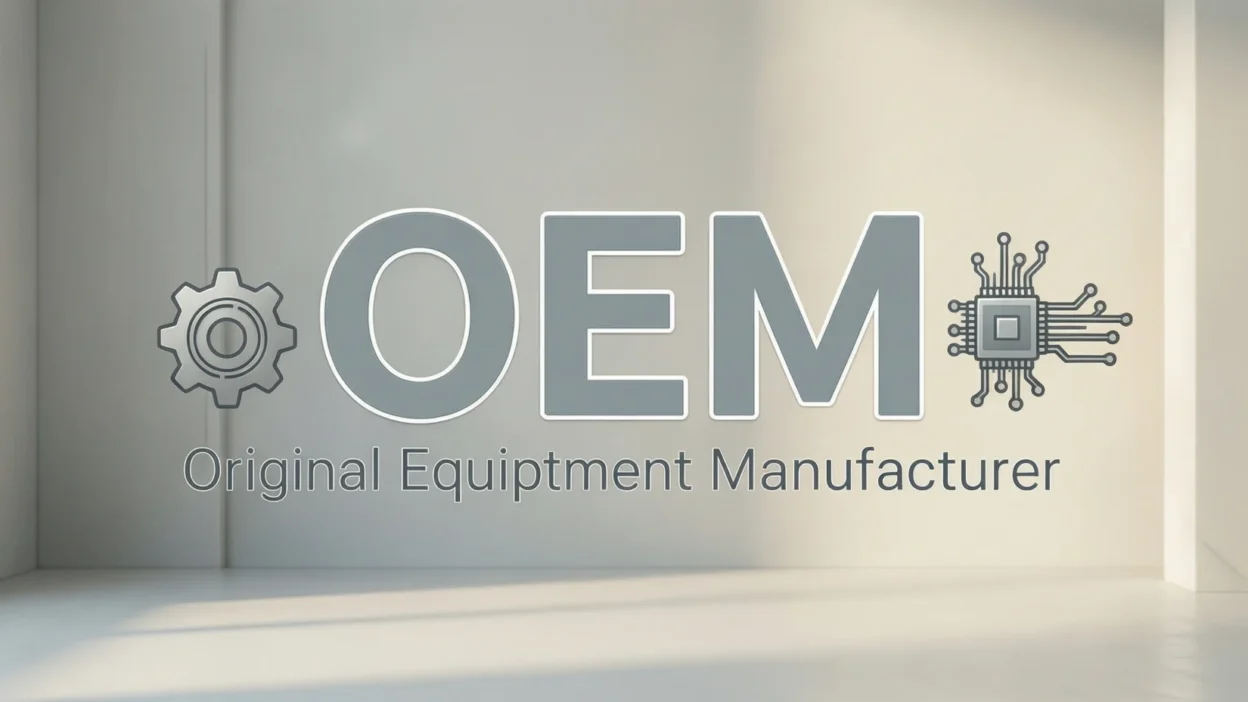
OEM stands for Original Equipment Manufacturer, meaning the company that makes the original parts or products used by a brand.
What Does OEM Stand For? (Plain Meaning)
OEM stands for Original Equipment Manufacturer.
In simple words, an OEM is the company that makes the original product or part that another brand sells or uses.
For example:
- A phone brand may sell a charger
- Another company actually makes that charger
- That company is the OEM
People use the term OEM to:
- describe original-quality products
- compare parts and accessories
- explain where something really comes from
Example sentence:
“this cable is oem, so it works just like the original.”
Bold summary: OEM means Original Equipment Manufacturer—the company that makes the original product or part used by a brand.
Why Do People Use the Term OEM?
The word OEM helps answer one big question:
Is this original quality or not?
People use OEM to:
- talk about quality
- compare prices
- avoid fake or low-grade items
- explain product differences
OEM doesn’t always mean expensive—but it usually means trusted.
OEM in Real Life (Easy Examples)
Let’s make it super clear.
- OEM phone battery → made by the same company that supplies the phone brand
- OEM car part → same part used when the car was built
- OEM software → original version installed by the manufacturer
That’s why people often say “oem is better.”
Where Is OEM Commonly Used Online?
You’ll see OEM in many online spaces.
Common places:
- online shopping listings
- tech forums
- car and bike groups
- reddit threads
- facebook marketplace
- product reviews
Tone:
- neutral
- informational
- sometimes casual
OEM is not slang like lol or brb. It’s more of a technical term, but people still use it casually in chats.
Is OEM a Texting Abbreviation or Technical Term?
OEM is not playful slang.
It’s a real industry term that:
- crossed into everyday conversation
- is often used in texts and DMs
- shows up in informal chat
So yes, it appears in texting culture—but it stays neutral.
Realistic Conversation Examples (Modern Chat Style)
Here are natural, lowercase examples like real online chats:
- “is this charger oem or third party?”
- “i only buy oem parts for my car”
- “the oem screen lasts way longer”
- “seller says it’s oem but idk”
- “oem battery works better trust me”
- “that price is low for oem”
- “i replaced it with an oem part”
- “non-oem accessories can be risky”
- “go for oem if you want quality”
When to Use and When Not to Use OEM
✅ When to Use OEM
- talking about product quality
- comparing original vs replacement parts
- shopping online
- tech or car discussions
- explaining manufacturing details
❌ When Not to Use OEM
- casual jokes
- emotional conversations
- memes or playful slang chats
- when audience doesn’t know the term
Comparison Table
| context | example phrase | why it works or not |
|---|---|---|
| tech chat | “get the oem charger” | clear and useful |
| car repair | “use oem brake pads” | accurate |
| casual joke | “that pizza is oem” | confusing |
| emotional text | “miss you oem” | makes no sense |
OEM vs Aftermarket (Simple Explanation)
This is where many people get confused.
- OEM → original maker’s part
- Aftermarket → made by another company
Aftermarket can be:
- cheaper
- lower quality
- sometimes better (but risky)
OEM is usually:
- reliable
- tested
- trusted
Similar Terms and Alternatives to OEM
Here are related terms you might see:
| term | meaning | when to use |
|---|---|---|
| original | factory-made | general talk |
| factory part | same as original | car repairs |
| genuine | brand-approved | shopping |
| aftermarket | third-party made | comparisons |
| third-party | not original | tech chats |
| stock part | default item | electronics |
These words often appear together in forums and listings.
Common Misunderstandings About OEM
Some people think:
- OEM means brand name
- OEM always costs more
- OEM is fake
Truth:
- OEM makes products for brands
- OEM can be cheaper
- OEM is often original quality
Is OEM Good or Bad?
OEM is usually seen as good.
Why?
- same specs
- same quality
- fewer compatibility issues
That’s why people trust it.
OEM in Social Media and Online Culture
OEM shows up a lot in:
- youtube reviews
- instagram tech pages
- reddit advice threads
It’s become part of everyday online language—especially in tech and car spaces.
FAQ: What Does OEM Stand For?
1. What does oem stand for?
Original Equipment Manufacturer.
2. Is OEM the same as original?
Yes, in most cases.
3. Is OEM better than aftermarket?
Usually, yes for reliability.
4. Is OEM fake?
No, it’s original quality.
5. Can OEM be cheaper?
Yes, sometimes without branding.
6. Is OEM used in texting?
Yes, in product-related chats.
7. Is OEM a slang term?
No, it’s a technical term used casually.
Why People Search “What Does OEM Stand For”
People search this because:
- they see it while shopping
- sellers mention it without explaining
- online chats assume knowledge
- it affects buying decisions
Understanding OEM helps avoid bad purchases.
OEM in Modern Digital Communication
OEM is a perfect example of how technical words become everyday language. It moved from factories to forums, then into casual chats and DMs. Knowing what it means gives you confidence when shopping, chatting, or giving advice online.
Final Thought
So, what does OEM stand for? It means Original Equipment Manufacturer, the company that makes the original product or part used by a brand.
It’s a neutral, trusted term often used in tech, car, and shopping conversations. Knowing when and how to use OEM helps you sound informed—and avoid confusion in modern digital communication.