
Introduction
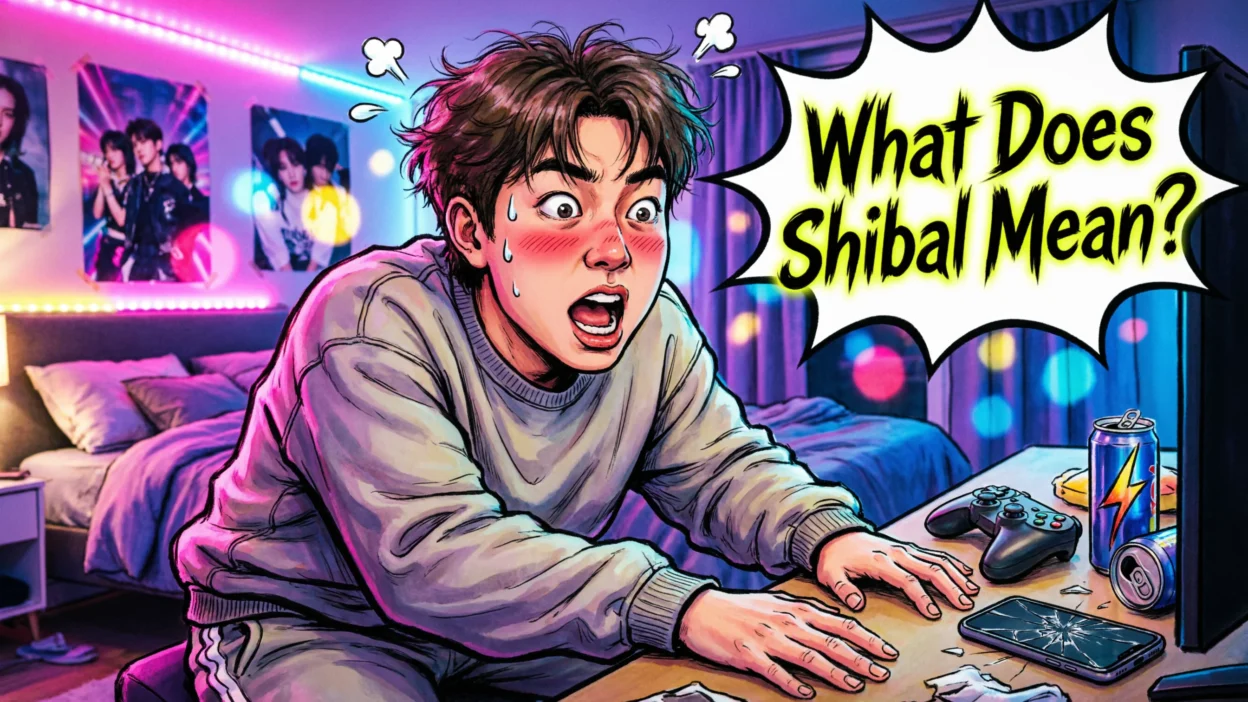
If you watch Korean dramas, Korean gaming streams, or Korean social media videos, you might suddenly hear someone say “shibal!” during an intense moment. Maybe a character shouts it after something frustrating happens, or a gamer says it when they lose a match.
For many international viewers, this leads to a common question: what does shibal mean? The word sounds dramatic, emotional, and sometimes even funny depending on the situation.
But its real meaning is a bit stronger than people expect. In this guide, we’ll explain what shibal means, where it comes from, and how people use it in conversations and online culture.
Quick Answer:
“Shibal” (also written as ssibal or ssi-bal) is a Korean slang curse word that roughly means “damn,” “shit,” or “fk,” usually used to express anger, frustration, or surprise.**
What Does Shibal Mean?
When people search “what does shibal mean,” they are referring to a popular Korean slang expression that appears in movies, shows, and online conversations.
The word “shibal” is a romanized spelling of the Korean word 씨발.
Plain-English Explanation
In simple terms, shibal is a strong swear word used when someone is angry, annoyed, shocked, or frustrated.
It is similar to how English speakers might say:
- “damn”
- “shit”
- “f**k”
However, the exact meaning can change depending on tone and situation.
Why People Use the Word
People say shibal to express strong emotions quickly. It often appears when someone:
- loses a game
- makes a mistake
- gets frustrated
- reacts to a sudden problem
- feels intense anger
In entertainment and online culture, the word sometimes becomes a dramatic reaction phrase.
Simple Example
Example sentence:
“shibal! i forgot my phone at home.”
Bold Summary:
Shibal is a Korean curse word used to express anger, frustration, or strong emotion, similar to saying “damn” or “fk” in English.**
Where the Word Shibal Is Commonly Used
Although shibal is a Korean word, it has become widely recognized in online culture because of Korean entertainment and internet content.
1. Korean Dramas and Movies
In emotional or intense scenes, characters may shout shibal when something goes wrong.
It is often heard during:
- arguments
- fights
- stressful situations
2. Gaming and Streaming
Gamers sometimes say shibal when they lose a round or make a mistake during competitive gameplay.
3. Social Media and Memes
International fans sometimes repeat the word in memes or reaction videos after hearing it in Korean content.
4. Casual Conversations (Among Friends)
In Korea, the word may be used among close friends in casual situations, but it is still considered rude or vulgar.
Tone of the Word
The tone of shibal is generally:
- very informal
- strong or offensive
- emotional or angry
It is not appropriate for formal conversations.
Realistic Conversation Examples
Here are examples of how the word shibal might appear in casual or online conversations.
- “shibal! i just lost the game again.”
- “shibal, i forgot to submit the assignment.”
- “shibal… my internet stopped during the match.”
- “shibal! why is this so difficult?”
- “he shouted shibal when his phone fell.”
- “shibal, that scared me.”
- “shibal, i missed the bus.”
- “the character yelled shibal in the drama scene.”
- “shibal, my laptop crashed again.”
These examples show how the word often appears during frustrating moments.
When to Use and When Not to Use Shibal
Because shibal is a curse word, it should be used carefully.
Do Use Shibal When
- quoting Korean dialogue
- discussing Korean slang or language
- describing reactions in entertainment or memes
Don’t Use Shibal When
- speaking formally
- talking to elders or authority figures
- in professional or workplace settings
- in polite conversations
Quick Comparison Table
| Context | Example Phrase | Why It Works / Doesn’t Work |
|---|---|---|
| casual gaming | “shibal, i lost again.” | emotional reaction |
| quoting a drama | “the character shouted shibal.” | explaining dialogue |
| workplace meeting | “shibal, this report is hard.” | inappropriate language |
| speaking politely | “shibal, thank you.” | tone doesn’t fit |
Similar Slang or Expressions
Several other expressions have similar emotional meanings depending on language or context.
| Word | Meaning | When It’s Used |
|---|---|---|
| damn | mild frustration | everyday reactions |
| shit | annoyance or surprise | casual speech |
| wtf | shock or confusion | internet slang |
| dang | softer version of “damn” | polite alternative |
| oh man | mild disappointment | casual conversations |
Compared to these, shibal is usually stronger and more vulgar.
FAQ: What Does Shibal Mean?
1. What does shibal mean in Korean?
Shibal is a Korean swear word used to express anger, frustration, or strong emotion.
2. Is shibal a bad word?
Yes. It is considered a vulgar or offensive word in Korean language and culture.
3. Why do people hear shibal in Korean dramas?
Dramas sometimes include the word to show intense emotions like anger or frustration.
4. Is shibal used jokingly?
Sometimes friends may use it jokingly, but it can still sound rude or aggressive.
5. How do you spell shibal in Korean?
The Korean spelling is 씨발.
6. Is it okay for foreigners to say shibal?
It is generally not recommended, especially in formal or respectful situations.
7. Why is shibal popular online?
It became popular internationally through K-dramas, gaming clips, and social media memes.
Final Thought
So, what does shibal mean? The word shibal is a Korean slang curse word used to express strong emotions like anger, frustration, or shock. It is similar to English swear words such as “damn” or “f**k.”
Because the word is considered vulgar, it should be used carefully and avoided in polite or professional settings. However, understanding its meaning can help viewers better understand Korean dramas, gaming streams, and online conversations where the word sometimes appears.
Learning slang like this also gives insight into modern language, global pop culture, and how people express emotions in different languages.